

Choosing Quality Medical Equipment for Hospitals
Choosing quality medical equipment is one of the most important decisions for hospitals, clinics, healthcare institutions, and procurement departments. Medical equipment supports diagnosis, patient monitoring, treatment, emergency response, clinical procedures, and daily hospital operations. When the right equipment is selected, healthcare teams can work more confidently, departments can function more smoothly, and patients can receive better care support.
For government hospitals, private hospitals, NGOs, clinics, and institutional buyers, medical equipment purchasing is not only about price. It also involves product suitability, specifications, reliability, supplier support, documentation, delivery coordination, and long-term usability. A careful procurement process helps hospitals avoid unnecessary complications, poor product selection, and operational delays.
Why Quality Medical Equipment Matters
Hospitals depend on medical equipment in almost every department. From examination rooms and emergency units to wards, operation theatres, laboratories, intensive care areas, and outpatient departments, equipment plays a direct role in healthcare delivery. If equipment is unsuitable, unreliable, or poorly selected, it can affect workflow and create difficulty for medical staff.
Quality medical equipment helps healthcare facilities maintain better operational readiness. It supports accurate use, smoother patient handling, and more dependable department performance. For procurement departments, selecting quality equipment also helps reduce repeat purchases, avoid frequent replacements, and improve long-term value.
Understand the Hospital’s Actual Requirement
Before purchasing medical equipment, the first step is to understand the actual requirement of the hospital or department. Not every facility needs the same model, size, capacity, or specification. A small clinic may need basic examination equipment, while a large hospital may require advanced equipment for multiple departments.
Procurement teams should review the purpose of the equipment, department usage, expected patient flow, available space, technical requirements, and budget. This helps ensure that the purchased equipment is suitable for the intended use.
- Which department will use the equipment?
- How frequently will it be used?
- What specifications are required?
- Is the equipment needed for routine use or specialized care?
- Is staff familiar with the equipment type?
- What accessories or consumables are required?
- What delivery and installation support may be needed?
Review Product Specifications Carefully
Product specifications are important when choosing medical equipment. A small difference in size, function, capacity, power requirement, or compatibility can make a product unsuitable for a hospital’s needs. Procurement teams should avoid selecting equipment based only on appearance or basic product names.
Before confirming an order, it is better to review important technical and practical details. These may include model information, usage purpose, available features, accessories, power requirements, dimensions, warranty terms where applicable, and any documentation required by the institution.
Consider Department-Wise Use
Different hospital departments require different types of equipment. The same product category may have multiple options depending on the department’s use. For example, equipment used in an emergency department may need to be more mobile and quick to access, while equipment used in a ward may need to support longer daily usage.
Emergency Departments
Emergency departments need equipment that supports urgent patient handling, quick response, and practical mobility. Equipment selected for emergency areas should match the fast-paced nature of the department.
Hospital Wards
Wards require equipment that supports patient care, nursing workflow, monitoring, comfort, and daily operations. Durability and ease of use are important factors for ward equipment.
Operation Theatres
Operation theatres require equipment and support items that are suitable for procedural environments. Procurement teams should review specifications carefully before purchasing equipment for surgical areas.
Clinics and Examination Rooms
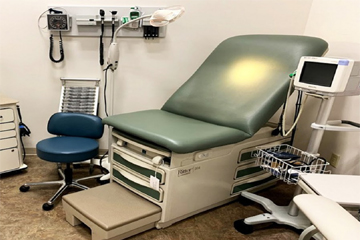
Clinics and examination rooms need practical equipment for consultations, basic assessment, minor procedures, and routine patient handling. Space, usability, and maintenance needs should be considered.
Check Supplier Reliability
A reliable supplier is an important part of quality medical equipment procurement. Even if the product itself is suitable, poor communication, unclear quotations, weak documentation, or delayed delivery can create problems for hospitals and institutions.
Hospitals should work with suppliers who understand procurement requirements, provide clear product information, support quotations, coordinate purchase orders, and assist with delivery and documentation. A professional supplier helps the buying process become more organized and less stressful for procurement teams.
- Clear communication about product availability
- Proper quotation support for approval or comparison
- Understanding of purchase order requirements
- Basic documentation and invoice assistance
- Delivery coordination according to institutional needs
- Professional handling of government and private sector requirements
Do Not Choose Only by Price
Price is always an important factor in procurement, but it should not be the only factor. Choosing the cheapest option without checking suitability, specifications, durability, and supplier support can lead to higher costs later. Low-quality equipment may require frequent replacement, create workflow issues, or fail to meet department expectations.
A better approach is to compare value. Procurement teams should consider product suitability, required features, expected usage, documentation, delivery support, and long-term practicality. A balanced decision helps hospitals manage their budgets without compromising essential requirements.
Documentation and Purchase Order Support
Medical equipment procurement often requires proper documentation, especially in government hospitals, private institutions, NGOs, and large healthcare facilities. Documentation may include quotations, product details, purchase orders, invoices, delivery notes, and other records required by the procurement or accounts department.
Before finalizing a supplier, hospitals should confirm whether the supplier can support the required documentation process. This is especially important for tender-based supplies, institutional purchases, and formal purchase order requirements.
Delivery and Handling Considerations
Medical equipment delivery should be planned properly. Some products may be bulky, sensitive, or required at a specific department or location inside the hospital. Poor delivery coordination can delay usage and create unnecessary inconvenience for staff.
Procurement teams should confirm delivery address, receiving contact, delivery timing, product quantity, and documentation requirements before dispatch. Proper planning helps ensure the equipment reaches the correct location and is received according to the institution’s process.
Consider Maintenance and Long-Term Use
Hospitals should also consider long-term use before purchasing medical equipment. Some equipment may require regular maintenance, accessories, spare parts, calibration, or replacement consumables. Understanding these needs in advance helps avoid problems after purchase.
For equipment that requires technical support, healthcare institutions should ask relevant questions before ordering. This may include maintenance needs, operational instructions, service availability, and replacement part considerations where applicable.
Common Mistakes to Avoid
Medical equipment procurement becomes easier when hospitals avoid common mistakes during the selection process. A careful review at the beginning can prevent confusion later.
- Buying equipment without confirming department requirements
- Ignoring product specifications and practical usage
- Selecting only the lowest price without checking suitability
- Not confirming accessories or related items
- Overlooking delivery and documentation needs
- Not reviewing purchase order details carefully
- Choosing a supplier with poor communication
- Not considering long-term maintenance or replacement needs
Importance of Tender and Institutional Procurement Support
Government hospitals and large institutions often purchase medical equipment through tenders, quotations, and formal approval systems. These processes require careful attention to product details, pricing, documentation, delivery timelines, and purchase order instructions.
A supplier with experience in institutional procurement can help make the process smoother by supporting quotation preparation, product sourcing, documentation coordination, and delivery planning. This is useful for government hospitals, private institutions, NGOs, and procurement departments that need organized supply handling.
How SA Enterprises Supports Medical Equipment Procurement
SA Enterprises supports hospitals, clinics, healthcare institutions, NGOs, procurement departments, and institutional buyers with professional medical equipment supply services. The company assists clients with product inquiries, quotation support, purchase order coordination, tender supply requirements, documentation assistance, and delivery planning.
SA Enterprises follows a requirement-based approach. The focus is to understand the client’s need, arrange suitable product options where available, provide clear communication, and coordinate the supply process responsibly. This helps healthcare buyers manage their medical equipment procurement with greater clarity and confidence.
Conclusion
Choosing quality medical equipment for hospitals requires careful planning, proper specification review, supplier reliability, documentation support, and delivery coordination. The right equipment supports patient care, department workflow, and long-term institutional value.
Hospitals, clinics, NGOs, and procurement departments should select medical equipment according to actual requirements rather than relying only on price or basic product names. With a professional supplier and a clear procurement process, healthcare institutions can arrange suitable equipment more effectively and support their daily operations with confidence.