

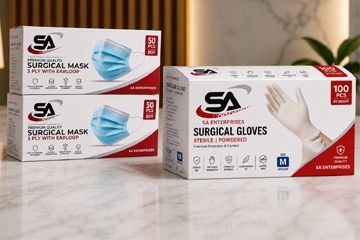
Why Surgical Disposables Matter in Healthcare
Surgical disposables play an important role in modern healthcare by supporting hygiene, safety, infection control, and smooth clinical procedures. In hospitals, clinics, operation theatres, emergency departments, and healthcare centers, these products are used every day to help protect patients, doctors, nurses, and medical staff during treatment and surgical care.
From gloves, masks, gowns, syringes, drapes, caps, shoe covers, cannulas, gauze, and dressing materials to other single-use medical items, surgical disposables help healthcare facilities maintain cleaner working environments and reduce the risk of cross-contamination. For hospitals and procurement departments, having a reliable supply of these items is not just a routine requirement—it is an essential part of patient care management.
What Are Surgical Disposables?
Surgical disposables are medical products designed for one-time use during healthcare procedures, examinations, surgeries, wound care, patient handling, and infection control activities. After use, these items are safely discarded according to the healthcare facility’s waste management process.
The main purpose of surgical disposables is to reduce direct contact with blood, fluids, contaminants, and microorganisms. This makes them highly important in operation theatres, clinics, wards, laboratories, emergency rooms, and other healthcare settings where hygiene and safety are critical.
Common Types of Surgical Disposables
Healthcare facilities use many different types of surgical disposables depending on their departments and procedures. Some commonly required items include:
- Surgical gloves for protection during procedures and patient care
- Examination gloves for routine clinical handling and basic medical use
- Face masks for reducing exposure to droplets and contaminants
- Surgical gowns for protection during procedures and operation theatre use
- Disposable caps and shoe covers for hygiene control in clinical areas
- Surgical drapes for creating a clean procedural field
- Syringes and needles for injections and routine medical applications
- IV cannulas and infusion items for patient treatment support
- Gauze, bandages, and dressing materials for wound care and surgical support
- Urine bags and drainage items for patient care and hospital use
- Disposable sheets and covers for patient beds, examination couches, and procedure areas
Supporting Infection Control
One of the most important reasons surgical disposables matter in healthcare is infection control. Hospitals and clinics deal with many patients every day, and each patient may have different health conditions, sensitivities, or infection risks. Disposable products help reduce the chance of contamination between patients, staff, surfaces, and medical environments.
For example, gloves are changed between patients, masks are used for protection, and disposable drapes or sheets help keep procedure areas cleaner. When used properly, surgical disposables support safer healthcare practices and help medical teams maintain better hygiene standards.
Protecting Patients and Healthcare Staff
Surgical disposables are important for both patient safety and staff protection. During procedures, healthcare workers may come into contact with blood, body fluids, wounds, medical waste, or contaminated surfaces. Disposable protective items create a barrier that helps reduce direct exposure.
Patients also benefit because disposable items help keep the treatment environment cleaner. In operation theatres, emergency rooms, dressing areas, and clinics, these products support safer procedures and reduce unnecessary risk.
Improving Efficiency in Healthcare Facilities
Single-use surgical products also improve workflow inside healthcare facilities. Since these items are ready to use and do not require cleaning or reprocessing after every use, medical staff can work more efficiently, especially in busy departments.
In hospitals with high patient flow, disposable items save time and help staff focus on patient care. This is especially useful in emergency departments, operation theatres, outpatient departments, clinics, and medical camps where fast and organized service is important.
Reducing Cross-Contamination Risks
Cross-contamination can happen when germs or contaminants move from one person, surface, instrument, or area to another. Surgical disposables help reduce this risk by allowing healthcare workers to use fresh, clean items for each patient or procedure.
This is particularly important in areas such as:
- Operation theatres
- Emergency departments
- Intensive care units
- Wards and patient rooms
- Dental and minor procedure clinics
- Laboratories and diagnostic centers
- Wound dressing areas
- Medical camps and community healthcare setups
Importance in Operation Theatres
Operation theatres require strict hygiene and controlled working conditions. Surgical disposables such as gloves, gowns, masks, drapes, caps, shoe covers, gauze, and procedure-related consumables are used to support a cleaner surgical environment.
These items help protect the surgical team and patient during procedures. They also support better preparation, organized workflow, and controlled disposal after use. For this reason, operation theatres need a consistent supply of disposable surgical items to avoid delays and maintain readiness.
Role in Emergency and Routine Care
Surgical disposables are not limited to major surgeries. They are also used in routine healthcare work such as injections, dressing changes, wound cleaning, examinations, emergency treatment, IV support, sample collection, and minor procedures.
In emergency departments, quick access to disposable items is especially important because staff must respond rapidly to patient needs. A shortage of basic disposables can affect workflow and create unnecessary pressure on medical teams.
Why Hospitals Need Reliable Disposable Supplies
Hospitals and clinics require surgical disposables regularly because these products are used in large quantities. A reliable supply helps healthcare facilities avoid stock shortages, treatment delays, and procurement stress.
Procurement departments need dependable suppliers who can understand product requirements, arrange suitable quantities, provide quotations, support documentation, and coordinate delivery on time. This is especially important for government hospitals, private healthcare institutions, NGOs, medical stores, and organizations involved in tender-based purchasing.
Procurement Considerations for Surgical Disposables
When healthcare institutions purchase surgical disposables, they usually consider product type, usage area, quantity, packaging, quality, availability, pricing, documentation, and delivery timeline. The right supplier helps make this process smoother by providing clear communication and organized supply support.
- Product suitability for the intended department or procedure
- Required quantity and regular usage needs
- Packaging and storage requirements
- Quotation and purchase order support
- Delivery schedule and availability
- Documentation for institutional procurement
- Support for tender-based supply requirements
Supporting Government and Private Healthcare Procurement
Surgical disposables are commonly required by both government and private healthcare facilities. Government hospitals may need these products through tenders, purchase orders, or official procurement processes. Private hospitals and clinics may require them for daily operations, department stock, and patient care needs.
For NGOs and healthcare projects, disposables are also important in medical camps, welfare programs, emergency response activities, and public health initiatives. In all these cases, proper sourcing and supply coordination help ensure that healthcare teams have the items they need when they need them.
Conclusion
Surgical disposables matter in healthcare because they support hygiene, infection control, patient safety, staff protection, and efficient clinical workflow. From operation theatres and emergency rooms to clinics, wards, laboratories, and medical camps, these products are part of everyday healthcare service delivery.
For hospitals, clinics, NGOs, and procurement departments, maintaining a reliable supply of surgical disposables is essential. With proper product sourcing, quotation support, documentation assistance, and delivery coordination, healthcare institutions can manage their disposable supply requirements more effectively and continue serving patients with greater confidence.